1. Safety and scope
The team explains what it can handle and which parts, like testing a site where drugs were made, need a different plan.
Richmond, ME · Sagadahoc County
Do not clean up drug items alone. In Richmond, call (877) 812-4220 and a cleanup team can handle syringes, bags, foil and powders with protective gear, then disinfect the affected area.
If anyone is in danger, call 911 first. For a suicide crisis, call or text 988.
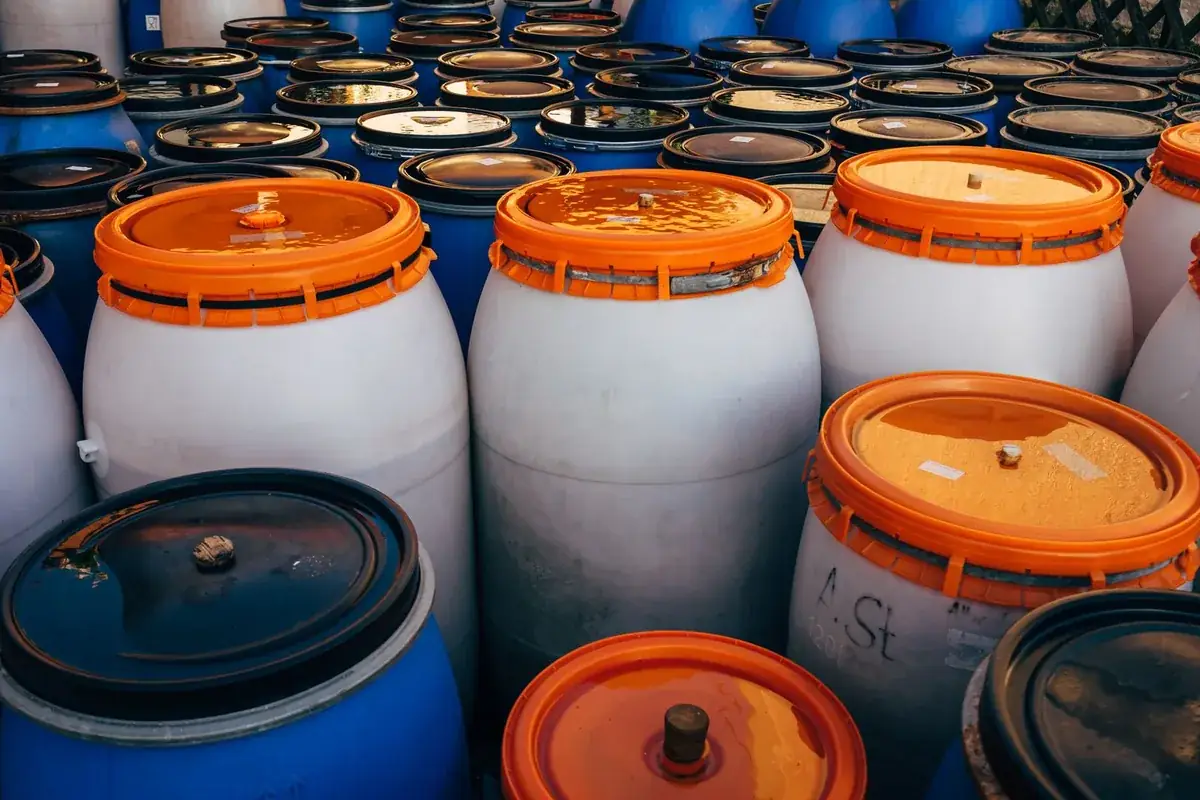
Cleaning up after drug use means handling two risks at once: sharps that can carry bloodborne pathogens and residue that can harm people who touch, breathe or swallow it.
If you are a landlord, property manager or family member in Richmond facing items left behind after drug use, call Richmond Biohazard Cleanup Help. The crew is discreet, explains each step and leaves your property clean and checked across Sagadahoc County.
With about 45% of Richmond households renting, a unit left in poor shape after a move-out is a common reason for a cleanup call. Emergency care for people in Richmond is available at Mainehealth Mid Coast Hospital in Brunswick. Cleanup can wait until everyone is safe.
What drug paraphernalia cleanup covers:
The team explains what it can handle and which parts, like testing a site where drugs were made, need a different plan.
Needles and other sharps are lifted and sealed before anything else is moved.
Surfaces are cleaned, and soft goods that could hold residue are removed.
Surfaces are disinfected, odors are treated, and a last walk-through confirms the space is ready.
The cost of drug paraphernalia cleanup in Richmond, ME depends on the amount of material, how it is packed and how it is hauled.
Documentation for a landlord, insurer or buyer can add some time, so tell the team up front if you will need it.
| Type of job | Typical range |
|---|
Published ranges only (); every drug paraphernalia cleanup job in Richmond is priced after an on-site look. Price drivers include amount of material, whether residue is present, surfaces affected, waste disposal. Questions? Call (877) 812-4220.
Crews wear protective gear, remove sharps and loose items, and then clean hard surfaces with EPA-registered disinfectants. Porous materials such as carpet, padding or upholstery that took in residue may be removed. The team can explain what applies to your space.
Police and the city do not usually clean the space afterward. The owner or the family books the cleanup once the scene is released. A cleanup team can work after the release and explain the steps. Ask the agency when the space is cleared.
It can be. Used syringes and other sharps can carry bloodborne germs, and residue can harm people who touch or swallow it. A cleanup team can look at what is there and explain how it should be handled. Do not touch it until then.
No. A good team asks only what it needs to plan the work, and you decide what to share. If privacy matters, ask about discreet, unmarked arrival when you call. Teams differ, so ask how the call and the visit are handled.
Yes. A property owner can call a cleanup team to clear and clean a unit after a tenant leaves. Lease terms and local law decide who pays. Keep photos and records, and ask the team what documentation it can provide.
Keep them out of affected rooms until a cleanup team has finished. Children and pets are closest to floors and furniture and are most at risk from residue. If a child or pet touches or swallows something, call Poison Control or a veterinarian.
If anyone is hurt or unresponsive, call 911 first, then call for cleanup.
Call (877) 812-4220